

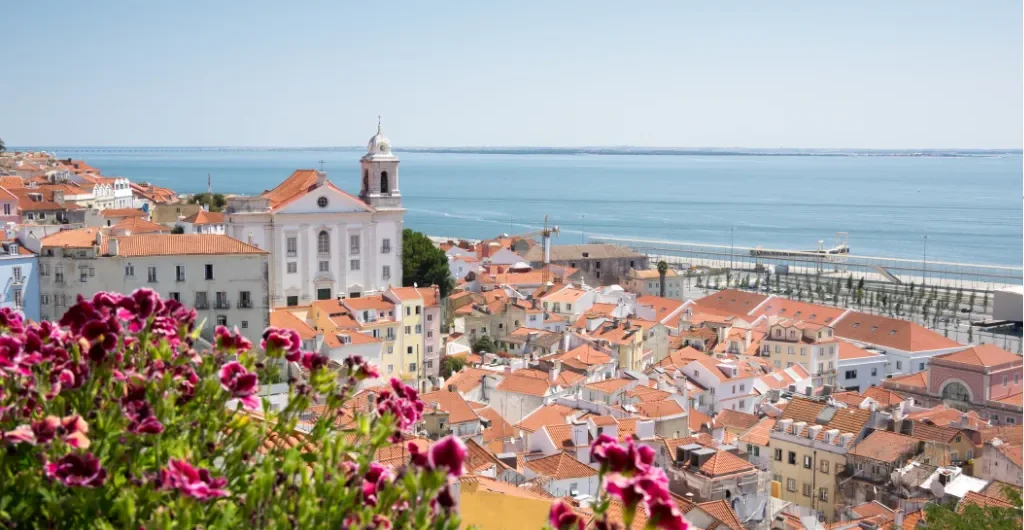
Get to know the best places to visit in Lisbon without all the tourist traps!
Lisbon has joined the ranks of Europe’s most popular travel destinations, and it’s easy to see why. Once you experience the delicious food, rich culture, scenic viewpoints, and centuries‑old monuments, you’ll understand the city’s irresistible charm.
However, with this growing popularity, many once “hidden” gems have become overcrowded and turned into full‑blown tourist traps. And since we want you to genuinely enjoy your stay and discover the real Portuguese way of living, we’re not going to recommend the same old Tram 28 ride that leaves you packed like sardines under the summer heat, nor the Santa Justa lift with its endless, winding queues.
Instead, we’re here to show you the very best places to visit in Lisbon. Let’s dive in!
Museu do Fado (Fado Museum)
If you’re searching for authentic places to visit in Lisbon, the Fado Museum in Alfama is an essential stop. Dedicated to Portugal’s most iconic musical tradition, it offers a quick yet meaningful introduction to the history and soul of fado.
Why visit
The museum tells the story of fado through photos, recordings, instruments, and multimedia displays. It’s a great way to understand how this UNESCO‑listed genre reflects Lisbon’s identity, from its neighbourhood roots to its world‑famous performers.
What you’ll find inside
- Permanent exhibition with historical posters, instruments, and rare audio recordings
- Listening stations to discover classic fado voices
- Temporary exhibitions exploring fado’s links to cinema, literature, and visual arts
Practical notes
- Location: Alfama
- Average visit time: 45 minutes to 1h30
- Good to combine with: a walk through Alfama, nearby viewpoints, or even a Fado show
- Tip: Check the official website for updated opening hours and ticket prices
As one of the most culturally rich places to visit in Lisbon, the Fado Museum is ideal for audiophiles or travellers who want something different to do in Lisbon.
Pastéis de Nata (Custard Tarts)
No trip to Lisbon is complete without tasting a pastel de nata, one of Portugal’s most iconic treats. If you’re exploring the best places to visit in Lisbon, this experience deserves a spot on your list.
A bit of history
The original custard tarts, known as Pastéis de Belém, have been made since 1837 by monks from the Jerónimos Monastery. Their recipe is still a closely guarded secret, and the Belém factory remains the most famous bakery (or pastelaria in Portuguese) in Lisbon.
What to expect
The Pastéis de Belém shop usually has long queues, especially during peak tourist hours. Despite the wait, many visitors say the experience is worth it: the pastries are creamy and flaky. For the sweet tooth, one seems like it’s never enough!
If you’d prefer to skip the lines, you’ll find excellent pastéis de nata at places like Manteigaria or Fábrica da Nata, where the wait is usually much shorter.
However, you should know that there’s a noticeable but subtle flavor difference between Pastéis de Belém and typical pastéis de nata. To us, Pastéis de Belém seem slightly less sweet than other versions. The most delicious way to decide which one you like best is to simply try them both.
Practical notes
- Best areas to try them: Belém for the original; Chiado, Baixa, and various central neighbourhoods for alternatives
- Tip: Eat them warm with cinnamon and powdered sugar
- Ideal pairing: A bica (Portuguese espresso)
Whether you queue in Belém or try them elsewhere, sampling pastéis de nata is one of the tastiest experiences you can have in Lisbon.
Museu Nacional do Azulejo (National Tile Museum)
For travellers looking for cultural places to visit in Lisbon, the National Tile Museum offers one of the most unique artistic experiences in the city. It showcases five centuries of Portuguese tile‑making, from early religious panels to modern ceramic design.
Why visit
Portugal’s azulejos are more than decoration; they’re a visual timeline of the country’s history. The museum walks you through the evolution of this craft, revealing how tiles shaped churches, palaces, and public spaces across the country.
What you’ll find inside
- A vast collection of tiles from the 15th century to the present
- Highlights like the 40‑meter panoramic tile panel of Lisbon as it was before the 1755 earthquake
- Decorative pieces from churches, convents, and royal buildings
- A beautiful former convent setting, including a baroque chapel
Practical notes
- Location: Xabregas
- Average visit time: 1 to 1h30 hours
- Tip: The museum café has a lovely cloister terrace, ideal for a coffee break, especially in the summer
- Check before visiting: Opening hours and ticket prices on the official website
This museum is perfect for travellers interested in art, history, or simply discovering something beyond the usual city highlights.
Walk along the Tagus River in Lisboa Oriente
If you enjoy peaceful riverside walks, this is one of the most relaxing must do’s in Lisbon. The modern district of Lisboa Oriente, also referred to as Parque das Nações, offers a long, flat walkway along the Tagus River, perfect for travellers who want a break from the historic centre’s hills and crowds.
Why visit
This riverside path gives you wide, open views over the Tagus. Whether you walk towards the Vasco da Gama Bridge or towards central Lisbon and Rossio, you’ll get scenic and peaceful views. Ideal for anyone who loves long strolls by the water.
It’s also a very local activity. On weekends, many Portuguese families come here to walk, cycle, relax in the gardens, or enjoy a coffee on a terrace.
What you’ll find along the way
- Calm views of the river with plenty of space to walk
- Green areas, public art, and modern architecture
- Cafés and terraces perfect for a break
- A cable car ride with panoramic views
- Nearby attractions like the Oceanário de Lisboa and Pavilhão do Conhecimento (covered in later sections)
Practical notes
- Location: Parque das Nações (easy access via Oriente train station)
- Ideal for: Walking, families, photography, relaxing by the river
- Tip: Go near sunset for the best light over the Tagus River
If you’re looking for alternative places to visit in Lisbon that offer calm, space, and a local vibe, a riverside walk in Parque das Nações is an excellent choice.
Jardim Zoológico de Lisboa (Lisbon Zoo)
For families or travellers who enjoy wildlife experiences, the Lisbon Zoo is one of the most entertaining places to visit in Lisbon. Founded in 1884, it’s one of the oldest zoos in Europe and home to hundreds of species from around the world.
Why visit
The zoo combines conservation work with educational exhibits, making it a great option for a relaxing full‑day activity. The enclosures are spacious and well‑maintained, and the variety of animals, from lions and giraffes to tropical birds and primates, appeals to visitors of all ages.
What you’ll find inside
- Over 2,000 animals representing more than 300 species
- A cable car ride offering aerial views of the zoo
- A farm area for children
- Dolphin presentations and educational talks
- Beautifully landscaped gardens for strolling
Practical notes
- Location: Sete Rios (right next to the metro, train, and bus station)
- Average visit time: If you want to visit every single enclosure, you can easily spend a full day there. If you’re travelling with little kids, choose their favourite animals, and plan your visit with that in mind.
- Ideal for: Families and animal lovers
- Tip: If you’re spending a full day, you can bring your own food and have lunch at the many picnic tables available. If you don’t fancy carrying the food around, the ticket allows you to exit, eat at one of the nearby restaurants, and then re-enter to enjoy the rest of the day.
- Check before visiting: Opening hours, ticket prices, and presentation schedules on the official website
As one of the most family‑friendly places to visit in Lisbon, the Lisbon Zoo offers a mix of nature, education, and fun. Perfect for a different kind of day in the city.
Oceanário de Lisboa (Lisbon Oceanarium)
The Oceanário de Lisboa is one of the most impressive places to visit in Lisbon, especially for families or anyone fascinated by marine life. Located in Parque das Nações, it’s one of the largest indoor aquariums in Europe and a favourite among visitors of all ages.
Why visit
The Oceanário is designed around a huge central tank that recreates the open ocean, allowing you to see sharks, rays, sunfish, and vibrant schools of fish all in one space. The themed habitats around it, from the North Atlantic to the tropical Indian Ocean, highlight the incredible diversity of marine ecosystems.
What you’ll find inside
- A massive central tank with over 5 million litres of seawater
- More than 8,000 sea creatures from 500+ species
- Themed habitats with penguins, sea otters, tropical fish, and coral reefs
- Educational exhibits on ocean conservation and sustainability
Practical notes
- Location: Parque das Nações (Oriente train station)
- Average visit time: 2 hours
- Tip: Visit early in the morning to avoid crowds, especially during weekends and holidays. Also, take a few minutes to sit in the available benches and enjoy the underwater views.
- Nearby: Restaurants, cable car, riverfront walk, and the Pavilion of Knowledge
- Check before visiting: Opening hours and ticket prices on the official website
As one of the top places to visit in Lisbon, the Oceanário offers a calm, immersive experience that’s both educational and memorable. A perfect stop for travellers looking to explore something beyond traditional monuments.
Pavilhão do Conhecimento (Knowledge Pavillion)
For travellers visiting Lisbon with kids, or anyone who enjoys hands‑on science, the Pavilhão do Conhecimento is one of the most fun and educational places to visit in Lisbon. Located in Parque das Nações, this interactive science museum encourages visitors to experiment, explore, and learn through play.
Why visit
Unlike traditional museums, the Pavilion of Knowledge is all about touching, testing, discovering, and laughing. It turns science into an experience through games, challenges, simulations, and full‑scale interactive installations. It’s perfect for a break from outdoor sightseeing, especially on hot or rainy days.
What you’ll find inside
- Large interactive exhibits covering physics, technology, human perception, and natural sciences
- Hands‑on experiments suitable for children and adults
- Temporary exhibitions with creative scientific themes
- Spaces designed for families, including activity zones for younger visitors
Practical notes
- Location: Parque das Nações, near the Oceanário
- Average visit time: 1h30 to 2 hours
- Ideal for: Families, curious minds, rainy-day activities
- Tip: Weekday mornings are usually the quietest times to visit
- Check before visiting: Opening hours and ticket prices on the official website
As one of the most engaging places to visit in Lisbon, the Pavilhão do Conhecimento is a great choice if you’re looking for something playful, educational, and different from the typical museum experience.
Palácio Nacional da Ajuda (Ajuda National Palace)
If you’re interested in royal history and beautifully preserved interiors, the Ajuda National Palace is one of the most impressive places to visit in Lisbon. Built in the 19th century, this former royal residence offers a fascinating look into the daily life of the Portuguese monarchy.
Why visit
The palace showcases grand state rooms, richly decorated halls, and an outstanding collection of furniture, tapestries, sculptures, and decorative arts. It’s a quieter alternative to the busier attractions in central Lisbon, making it ideal for travellers seeking a more refined cultural experience.
What you’ll find inside
- Lavish ceremonial rooms, including the Throne Room and the Banquet Hall
- Royal apartments preserved with original furnishings
- An impressive collection of decorative arts from Portugal and abroad
- Temporary exhibitions exploring royal history and craftsmanship
Practical notes
- Location: Ajuda district, near Belém
- Average visit time: 2 hours
- Tip: Combine your visit with nearby attractions like the Jerónimos Monastery or Belém waterfront
- Check before visiting: Opening hours and ticket prices on the official website
Elegant, quiet, and historically rich, the Ajuda National Palace is one of the top places to visit in Lisbon for travellers who appreciate culture, architecture, and royal heritage.
Miradouros (Viewpoints)
Thanks to its many hills, Lisbon is filled with scenic viewpoints, or miradouros in Portuguese, offering some of the best panoramic views in the city. Whether you’re exploring historic neighbourhoods or simply searching for peaceful places to visit in Lisbon, these viewpoints are perfect for photos, sunsets, and slow moments above the rooftops.
Why visit
Lisbon’s viewpoints are part of everyday local life. You’ll find people relaxing, taking photos, listening to street musicians, or enjoying a drink while looking out over the river and terracotta roofs. Each viewpoint offers a unique angle of the city, making them ideal stops between neighbourhoods.
Most famous miradouros
- Miradouro da Senhora do Monte – One of the highest and widest views in Lisbon; perfect at sunset.
- Miradouro da Graça (Miradouro Sophia de Mello Breyner) – Known for its trees, relaxed vibe, and views of the castle.
- Miradouro de Santa Luzia – A classic postcard spot overlooking Alfama, the river, and tiled walls.
- Miradouro das Portas do Sol – Right next to Santa Luzia, offering a bright, open view of Alfama’s rooftops.
- Miradouro de São Pedro de Alcântara – A beautiful landscaped terrace facing the castle and Baixa district.
- Miradouro do Recolhimento – A quieter spot near the castle, great for escaping the crowds.
- Miradouro do Torel – A peaceful hilltop garden with views over central Lisbon.
Practical notes
- Best time to visit: anytime, but the sunset and sunrise are especially magical
- Good for: Photography, relaxing, appreciating scenic views
- Tip: Pair Graça + Senhora do Monte on the same walk, or Santa Luzia + Portas do Sol when exploring Alfama
With their stunning views and relaxed atmosphere, Lisbon’s viewpoints are some of the most memorable places to visit in Lisbon, and a must‑do for anyone wanting to see the city from above.
Museu Nacional de Arte Antiga (National Museum of Ancient Art)
For art lovers, the National Museum of Ancient Art is one of the most culturally significant places to visit in Lisbon. Located in a noble palace overlooking the Tagus River, it houses Portugal’s most important collection of paintings, sculptures, and decorative arts from the Middle Ages to the early 19th century.
Why visit
The museum offers a deep dive into Portuguese history through art, showcasing European masterpieces, Asian decorative pieces from the Age of Discoveries, and remarkable religious works. It’s a quieter and more refined experience compared to the city’s more crowded attractions.
What you’ll find inside
- The famous “Panels of Saint Vincent”, one of Portugal’s greatest artistic treasures
- European paintings by artists such as Bosch, Dürer, and Namban School works
- Decorative arts, including furniture, textiles, jewelry, and Chinese porcelain
Practical notes
- Location: Rua das Janelas Verdes, near Santos
- Average visit time: 1h30 to 2 hours
- Check before visiting: Opening hours and current exhibitions on the museum’s official website
As one of the most enriching places to visit in Lisbon, the National Museum of Ancient Art is ideal for travellers seeking culture, calm, and beautifully curated collections.
Museu Nacional dos Coches (National Coach Museum)
The National Coach Museum is one of the most unique places to visit in Lisbon, showcasing one of the world’s finest collections of royal coaches and ceremonial vehicles. Located in Belém, it’s an excellent stop for travellers interested in history, craftsmanship, and the elegance of European royalty.
Why visit
The museum displays dozens of beautifully preserved carriages from the 16th to the 19th centuries, each one richly decorated with gilded sculptures, detailed paintings, and ornate designs. It’s a fascinating look into how monarchs once travelled and celebrated important state occasions.
What you’ll find inside
- Lavish royal coaches from Portugal and other European courts
- Early firefighting vehicles and ceremonial transport
- Detailed explanations of the craftsmanship behind each carriage
- A spacious modern building designed to showcase the collection with excellent lighting
Practical notes
- Location: Belém, close to the Jerónimos Monastery and Belém Tower
- Average visit time: 1 to 1h30 hours
- Tip: Combine your visit with a pastel de nata in Belém or a walk along the waterfront
- Check before visiting: Opening hours and any temporary exhibitions on the official website
As one of the most distinctive places to visit in Lisbon, the National Coach Museum offers a rare and elegant window into the royal past of Portugal.
Eat a “bifana” (Traditional Portuguese Pork Sandwich)
Tasting a bifana is one of the most authentic and flavourful things you can do in Lisbon. This simple pork sandwich, cooked in a seasoned marinade and served in bread, is a beloved Portuguese snack, especially during the Santos Populares summer festivals, when it becomes a late‑night essential.
Why try it
The bifana is part of everyday Portuguese food culture: quick, affordable, delicious, and found in traditional cafés all over the city. If you’re exploring local food traditions and looking for authentic things to do in Lisbon, this is a must‑taste experience.
Where to eat a bifana
Along Rua da Madalena, in Lisbon’s historic centre, you’ll find two well‑known spots still serving great bifanas: As Bifanas do Afonso and Solar da Madalena.
It’s also worth noting that Café Beira Gare, once one of the most iconic places for bifanas, has sadly closed. It was a favourite for both locals and visitors for decades, and its closure reflects a broader trend: many traditional cafés in central Lisbon are disappearing due to real‑estate pressure and changing city dynamics.
On a brighter note, you can still taste a true bifana at some of the surviving “tascas” in Lisbon.
Practical notes
- Best time to try it: Anytime! Lunch, snack, or late-night bite
- Price range: Very affordable
- Tip: Enjoy it with a cold beer (“imperial”) for the full local experience
Whether you try it during the summer festivals or at a traditional café downtown, tasting a bifana is one of the most delicious and genuinely local experiences you can have.
Pastéis de Bacalhau (Codfish cakes)
Pastéis de bacalhau are one of Portugal’s most iconic savoury snacks. Crispy on the outside, soft and fluffy on the inside, and full of traditional codfish flavour. If you’re exploring local food traditions and searching for authentic places to visit in Lisbon, trying one of these is almost essential.
Why try them
Bacalhau (codfish) has a long and meaningful place in Portuguese cuisine, and these codfish cakes are one of the most popular ways to enjoy it. They’re served in cafés, restaurants, and food stalls all over the city, whether as a quick snack, a starter, or paired with a drink at the end of the day.
In recent years, some shops have started serving pastéis de bacalhau stuffed with Serra da Estrela cheese, a richer and more indulgent variation that many visitors love.
Where to find them
from traditional tascas to modern food markets, you can try pastéis de bacalhau almost anywhere in Lisbon including:
- Casa Portuguesa do Pastel de Bacalhau (famous for the cheese‑filled version)
- Local cafés and snack bars throughout the city, which often serve a more traditional, homemade‑style version
Each place has its own texture and flavour, so it’s worth trying more than one to discover your favourite.
Practical notes
- Best occasion: Snack, starter, or quick bite on the go
- Tip: Pair it with a glass of wine or a cold beer
- Texture tip: The ideal pastel de bacalhau should be crisp outside and airy inside
Tasty, affordable, and deeply traditional, pastéis de bacalhau are one of the most delicious food experiences you can include in your trip.
Conclusion
Lisbon is a city full of culture, history, flavour, and unforgettable viewpoints. And now that you know some of the best places to visit in Lisbon without falling into tourist traps, you’re ready to explore it like a local.
From peaceful riverside walks to royal palaces, iconic snacks, and world‑class museums, there’s always something new to discover around each corner.
If you’d like to make your experience even easier, we also offer private tuk tuk tours that can take you to many of the places mentioned in this guide and even introduce you to hidden gems most visitors never get to see.
With a local guide by your side, you’ll enjoy a fun, comfortable, and personalised way to explore the city at your own pace.
Whether you choose to wander on foot or hop onto a tuk tuk, we hope this guide helps you fall in love with Lisbon as much as we have. Have an amazing trip!



Comments